
Domain-experienced AI agents.A novel sensor system.First-of-its-kind Native-AI workflow.

The only system that rebuilds a structure digitally from its paper records to hourly corrosion readings at the steel.
The problem
We repair what we can see. Corrosion shows itself last.
By the time rust stains, cracks and spalls reach the surface, the steel has been corroding for years. Inspections every two and six years record the surface. They cannot record what happens inside the concrete between visits.
So the biggest decisions an owner makes, repair, replace or extend, rest on the least evidence.
Read more about the problemDeterioration
- Continuous monitoring
- Last inspected condition
- Principal Inspection
The workflow
How does it all work?
01 AI reads every record
Inspections, surveys, assessments and drawings, some of them ninety years old. AI reads them all and builds one condition history for the structure, with every value tied to its source page.
02 AI rebuilds the structure in 3D
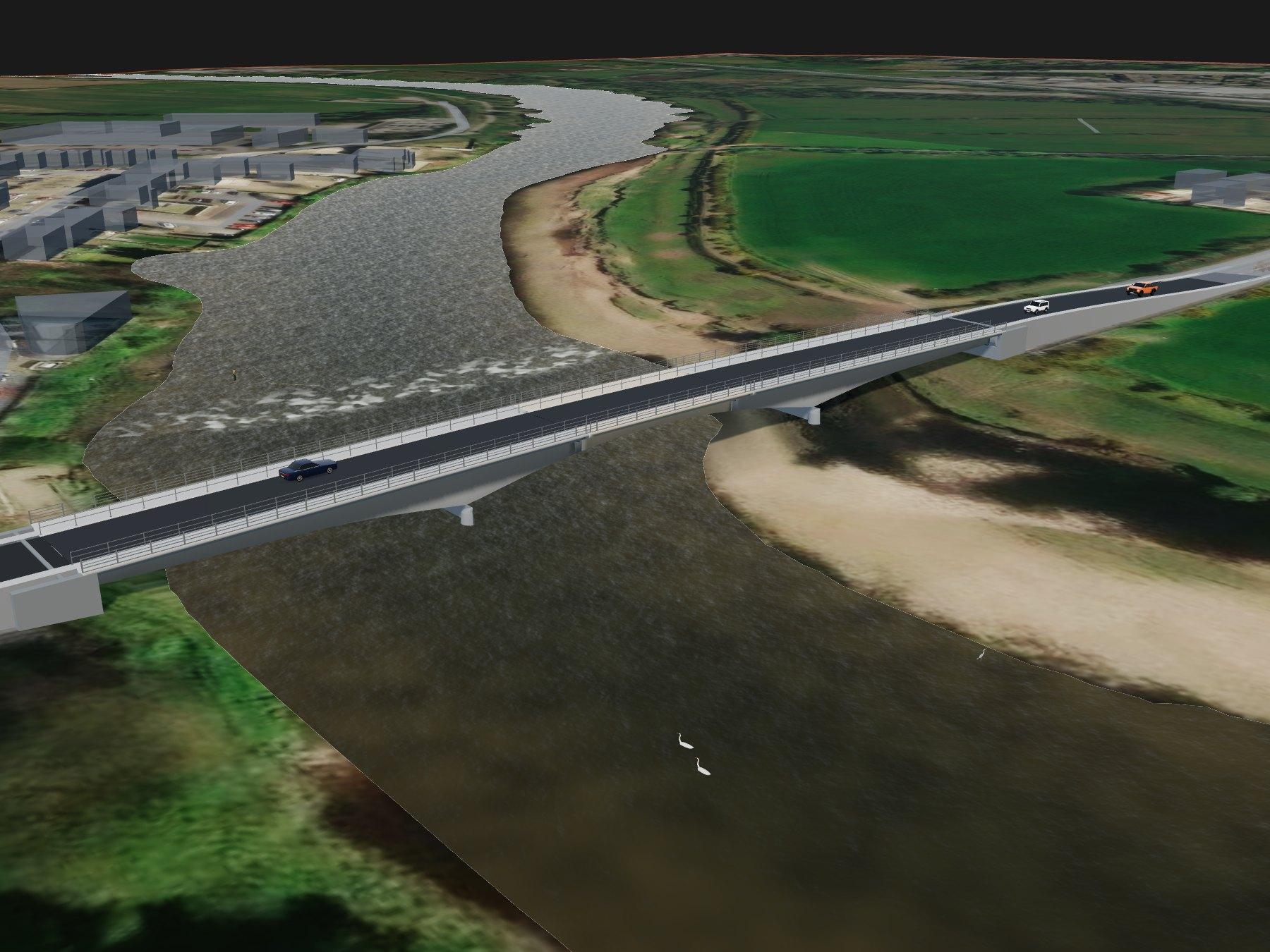
From scanned record drawings to a 3D record model of the structure as drawn. The paper becomes a structure you can look at from any side.
03 Down to the reinforcement
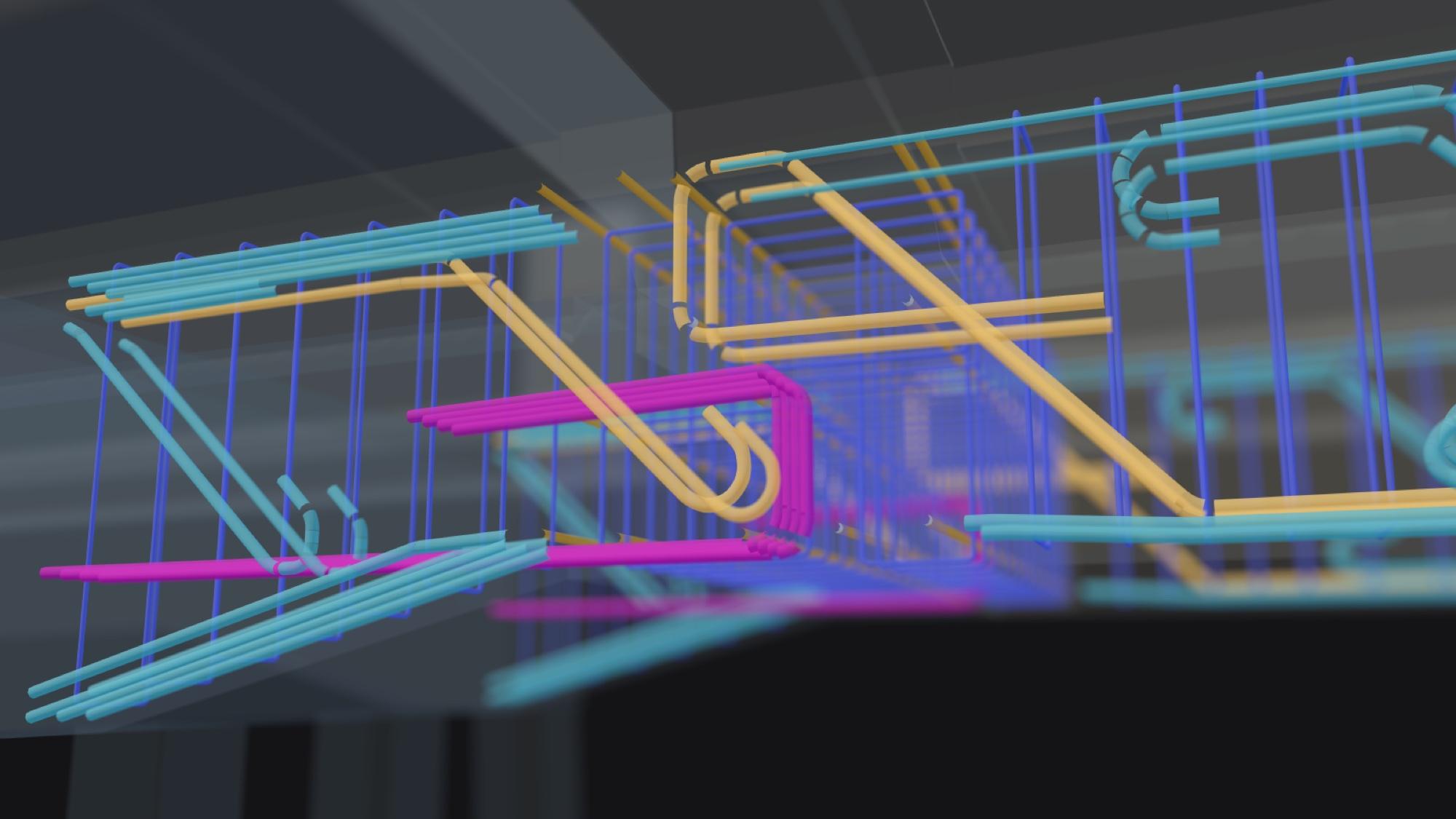
The model carries the steel as designed, bar by bar. For the first time since the drawings were filed, everyone can see the steel the structure was designed with.
04 Find where monitoring matters most
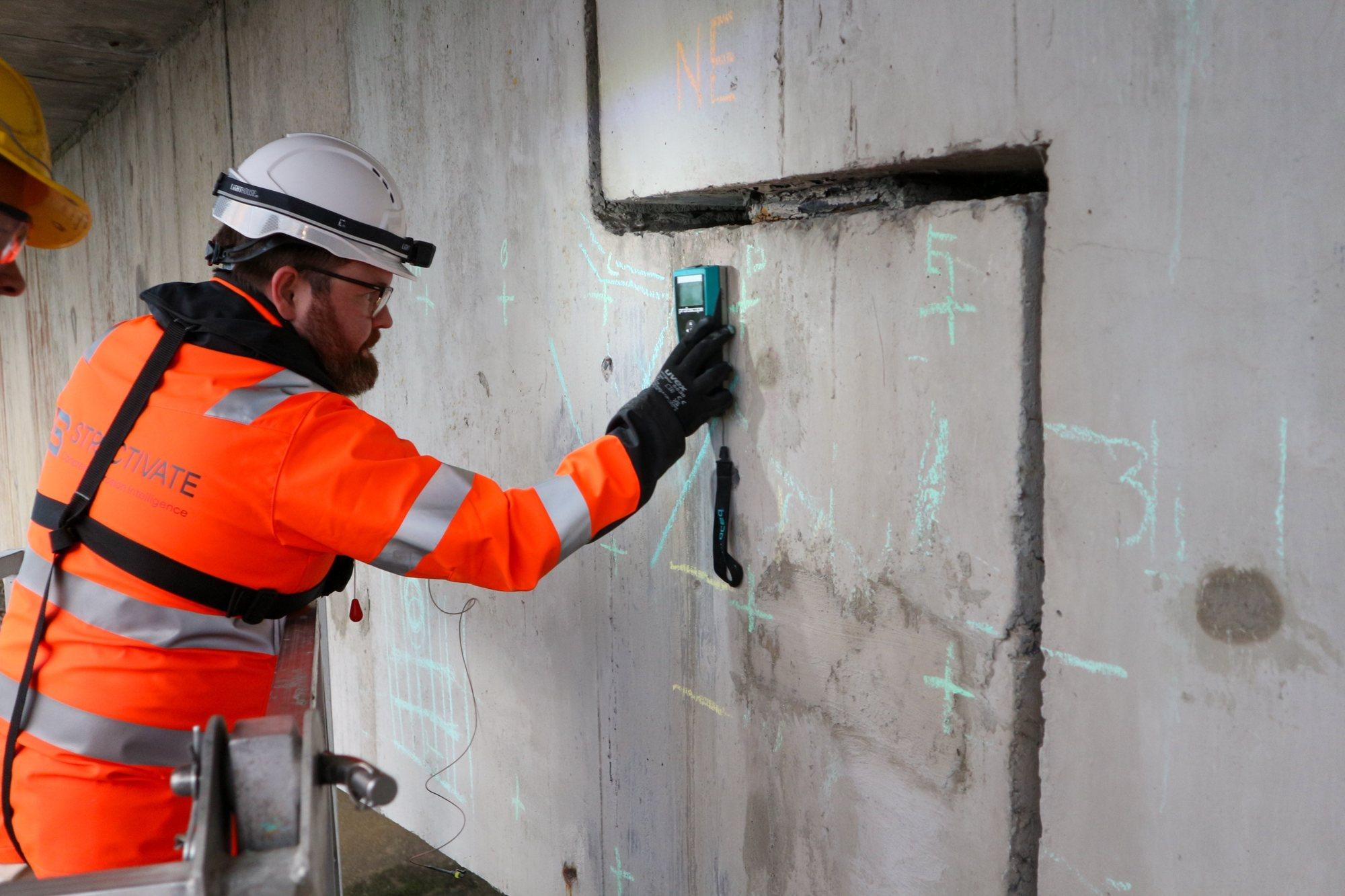
AI sets the records against the model and ranks where the evidence says the steel is most at risk. Engineers choose the positions, and a reinforcement scan fixes every hole on site.
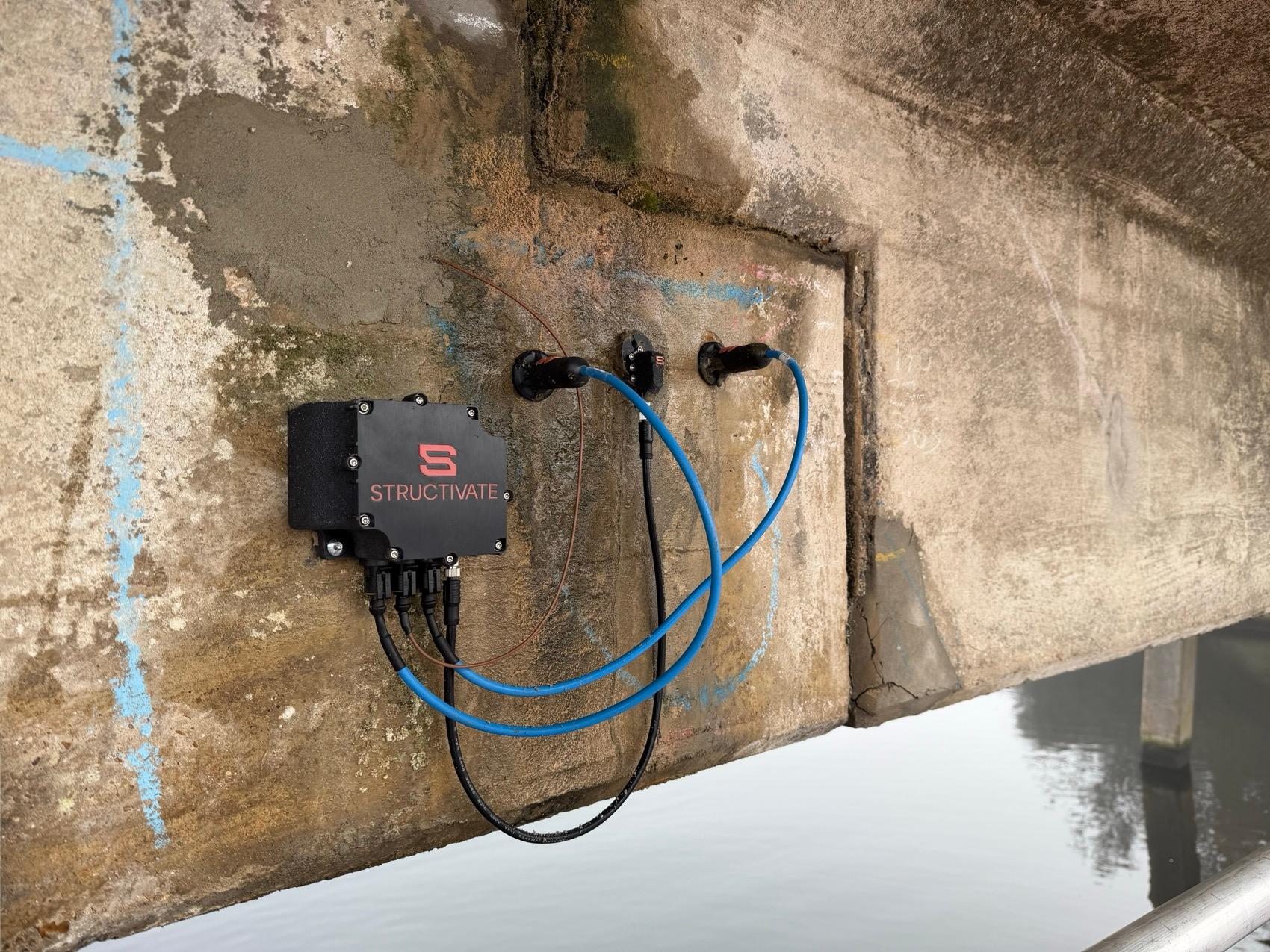
05 Sensors go in at the steel
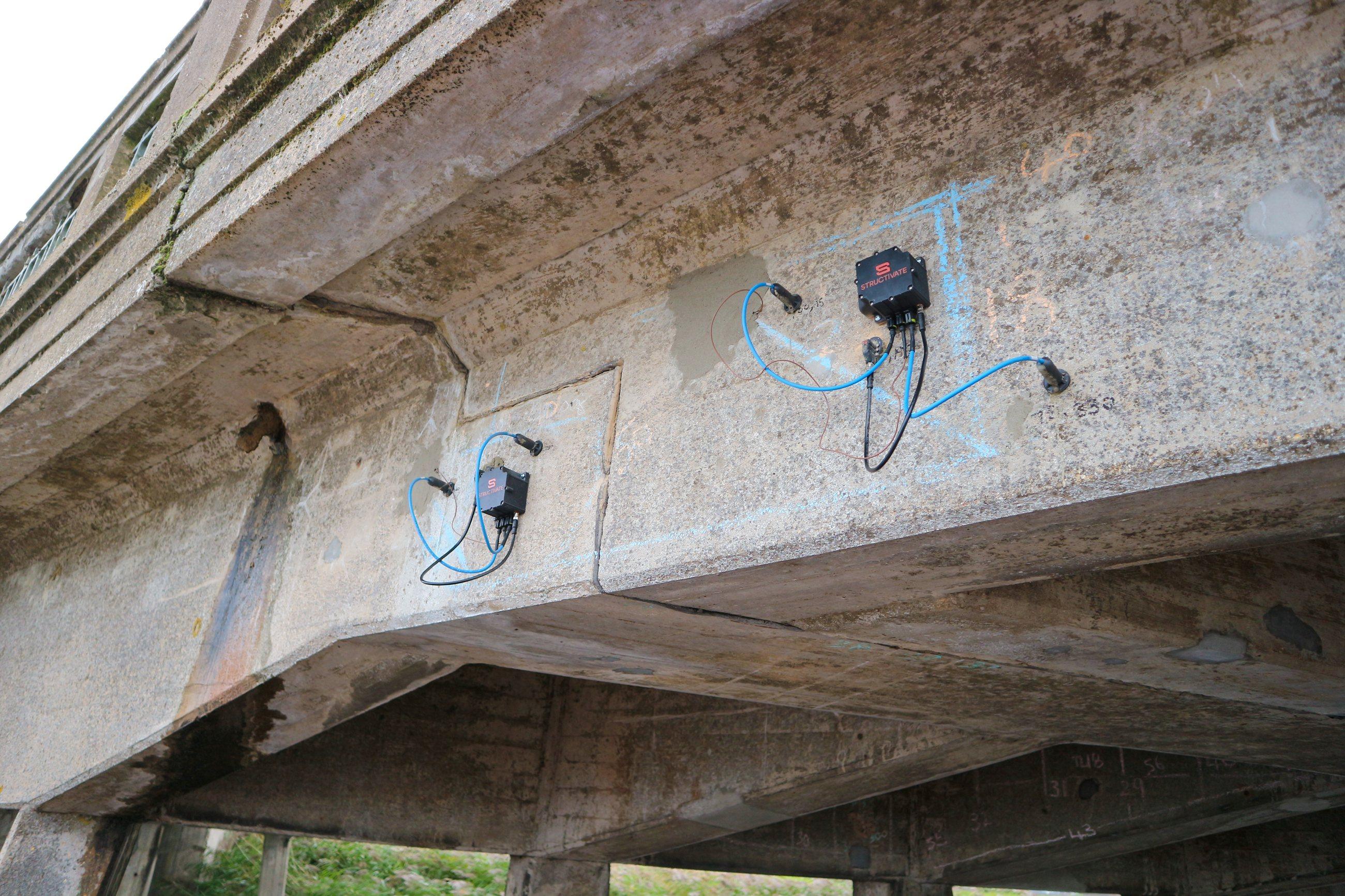
SM:ART units are retrofitted through 22 mm drilled holes. Each one is self-contained, battery powered and wireless. No mains power.
06 Readings every hour, for years
Half-cell potential, concrete resistivity, temperature, relative humidity and tilt. Established physics turns each reading into a value.
07 Records, model and readings in one place
The Structivate platform holds each structure’s condition history, its 3D record model and its hourly readings side by side.

Active SM:ART Trials
SM:ART is actively being developed at TU Dublin with Enterprise Ireland Commercialisation Fund support.
 Active
Lifford Bridge
Department for Infrastructure NI
Reinforced concrete road bridge with corrosion concerns at half-joints.
Engineering partner: WSP
Read the case study Active
Morton’s Bridge
Norfolk County Council
Reinforced concrete road bridge with two half-joints carrying a suspended span.
Read the case study Active
Rungay’s Bridge
Norfolk County Council
Reinforced concrete road bridge with two half-joints carrying a suspended span.
Read the case study Active
Woodside Viaduct, M8, Glasgow
Transport Scotland
1960s-era reinforced concrete viaduct with severe half-joint corrosion.
Engineering partner: WSP
Coming soon
PendingA US state department of transport
US state DOT collaboration on ageing concrete infrastructure.

The Spring 2027 SM:ART Trial is open for applications
This cohort is open to reinforced-concrete structures where corrosion uncertainty is holding up a repair, replacement or life-extension decision, not only bridges with half-joints.